
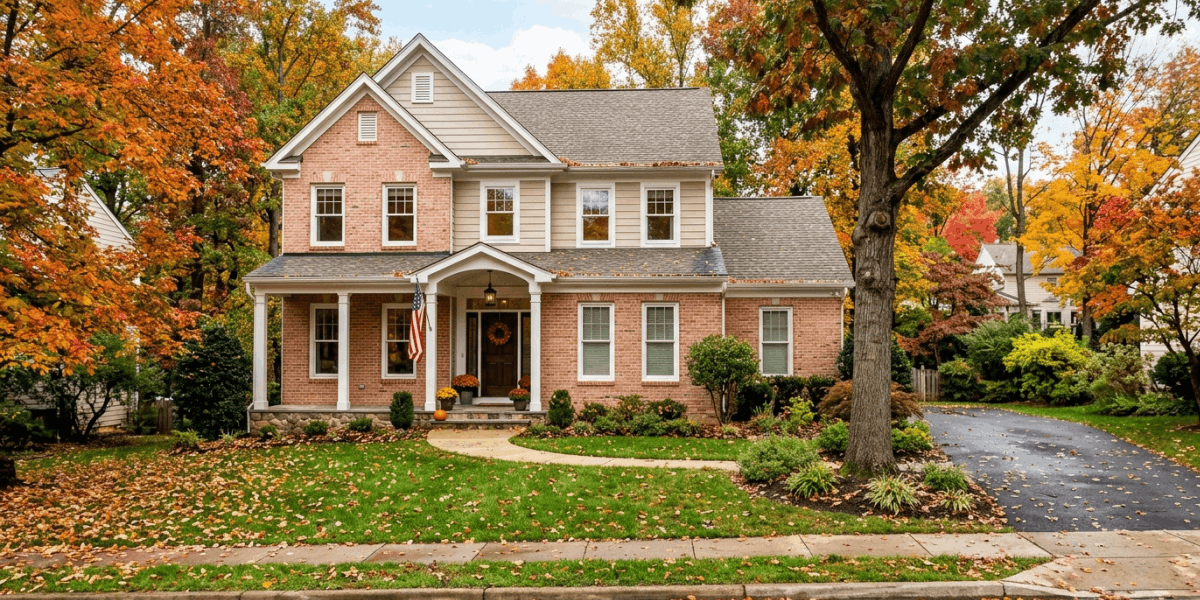
Northern Virginia experiences four distinct seasons, and each one leaves its mark on a home’s exterior. Properties in this area endure different environmental conditions year-round, ranging from hot and humid summers to cold winters filled with snow and freezing temperatures. These seasonal changes gradually affect roofing, siding, gutters, windows, and other exterior components.
Understanding how each season contributes to wear and tear can help homeowners make informed maintenance decisions and protect their properties for the long term.
Why Seasonal Changes Matter for Exterior Materials
Exterior materials are constantly exposed to changing temperatures, moisture levels, and weather patterns. Over time, these conditions can weaken protective surfaces and shorten the lifespan of building materials.
Some materials expand and contract as temperatures shift. Others absorb moisture and become vulnerable to cracking, warping, or deterioration. Regular maintenance and timely repairs help reduce the effects of seasonal exposure and keep exterior components in good condition.
Seasonal Effects on Home Exteriors
| Season | Common Conditions | Potential Exterior Impact |
| Spring | Rain and fluctuating temperatures | Moisture buildup and minor leaks |
| Summer | Heat and humidity | Fading, warping, and material expansion |
| Fall | Falling leaves and temperature changes | Gutter blockages and trapped moisture |
| Winter | Snow, ice, and freezing temperatures | Cracks, leaks, and structural stress |
Spring Brings Moisture and Rain Challenges
Spring often brings heavy rainfall and fluctuating temperatures. Melting snow and frequent rainstorms can expose weaknesses that developed during the winter.
· Roofing Concerns
Small cracks or damaged shingles may allow moisture to penetrate beneath roofing materials. Water intrusion can eventually lead to leaks and interior damage if repairs are delayed.
· Siding Issues
Moisture can become trapped behind siding materials. Over time, damp conditions may contribute to deterioration and mold growth.
Spring is also an excellent time for homeowners to inspect exterior surfaces and schedule maintenance after winter weather has passed.
Summer Heat and Humidity Create Additional Stress
Northern Virginia summers are known for high temperatures and humid conditions. Constant exposure to heat and sunlight can gradually affect exterior materials.
· Roof Expansion
Roofing materials expand when exposed to prolonged heat. Repeated expansion and cooling cycles may contribute to material fatigue over many years.
· Siding and Moisture Concerns
The effects of humidity on siding in Northern Virginia can become noticeable during the summer months. Excess moisture may contribute to swelling, discoloration, and gradual deterioration of certain siding materials. Homes with inadequate ventilation can experience even greater moisture-related problems.
· Fading and Surface Wear
Direct sunlight can cause paint colors and exterior finishes to fade. Protective coatings may also break down more quickly under intense heat.
Many homeowners turn to Impact Exteriors for guidance on roofing in Alexandria, VA, especially in summer, when an inspection can catch early wear before it turns into a major repair.
Fall Creates Maintenance Opportunities
Fall serves as an important preparation period before winter arrives. Cooler temperatures make it easier to inspect and repair exterior components.
· Gutter Maintenance
Leaves and debris can clog gutters and downspouts. Blocked drainage systems allow water to accumulate around roofing and foundation areas.
· Exterior Inspections
Fall inspections help identify minor problems that could worsen during freezing weather. Loose shingles, damaged flashing, and deteriorating caulking should receive attention before winter conditions arrive.
A proper seasonal home exterior maintenance checklist often includes gutter cleaning, roof inspections, siding evaluations, and sealing gaps around windows and doors.
Winter Places the Greatest Strain on Home Exteriors
Winter conditions in Northern Virginia can be particularly demanding. Snow, ice, and freezing temperatures create stress that affects nearly every exterior surface.
· Ice and Freeze Cycles
Water can enter small openings and freeze as temperatures drop. As ice expands, it places pressure on surrounding materials and may create cracks.
· Roof Damage Risks
The winter damage to roofs in Northern Virginia frequently includes loose shingles, ice buildup, and moisture infiltration caused by repeated freezing and thawing cycles. Heavy snow accumulation can also increase strain on aging roofing systems.
· Gutters and Drainage Systems
Frozen gutters may become damaged when expanding ice creates additional pressure. Improper drainage during winter can also contribute to moisture problems around the home’s foundation.
Why Preventive Maintenance Matters
No exterior material lasts forever, especially in a climate with four distinct seasons. However, proactive care can significantly extend the life of a home’s exterior components. Regular inspections allow homeowners to identify minor concerns before they become costly repairs. Replacing damaged shingles, repairing siding issues, and cleaning gutters all contribute to better long-term performance.
Professional inspections are also valuable after major storms and seasonal transitions. Experts can identify hidden problems that may not be immediately visible from the ground. Homeowners occasionally require roof repair services when seasonal exposure leads to damaged shingles, flashing problems, or moisture intrusion. Addressing issues promptly helps prevent more extensive deterioration.
Conclusion
Northern Virginia’s changing seasons create a continuous cycle of environmental stress on residential exteriors. Spring rains introduce moisture concerns, summer heat accelerates wear, fall requires important maintenance tasks, and winter often brings the greatest risk of damage.
Understanding how seasonal conditions affect roofing, siding, gutters, and exterior finishes allows homeowners to make informed maintenance decisions. Regular evaluations and prompt fixes can assist in safeguarding exterior materials and enhancing their longevity.
Do not wait for seasonal damage to become a costly problem. Contact Impact Exteriors today to schedule your roof repair in Alexandria and protect your home with solutions built for Northern Virginia’s changing weather.
FAQs
Why do changing seasons affect a home’s exterior?
Different weather conditions expose exterior materials to moisture, temperature changes, sunlight, and freezing conditions that gradually contribute to wear and deterioration.
What exterior areas should homeowners inspect each season?
Roofs, gutters, siding, windows, doors, and drainage systems should all receive regular inspections throughout the year.
How does weather affect roof lifespan in Virginia?
Virginia’s combination of humidity, heavy rain, summer heat, snow, and freeze-thaw cycles gradually weakens roofing materials and can shorten their service life.
Which season typically causes the most exterior damage?
Winter often creates the greatest challenges because freezing temperatures, snow accumulation, and ice expansion place significant stress on exterior materials.
How does climate impact exterior home materials?
Climate influences the rate of expansion, contraction, moisture absorption, fading, and material deterioration, which directly affects long-term durability and maintenance needs.