
Summary:
Hail damage to a roof is rarely as straightforward as it looks; the visible signs are often the least of the problem, while the real damage sits beneath the surface where granules have been stripped, membranes have been compromised, and water is already finding its way in. Knowing exactly what to do in the hours and days after a hailstorm determines both how well the damage is documented and how successfully an insurance claim is processed.
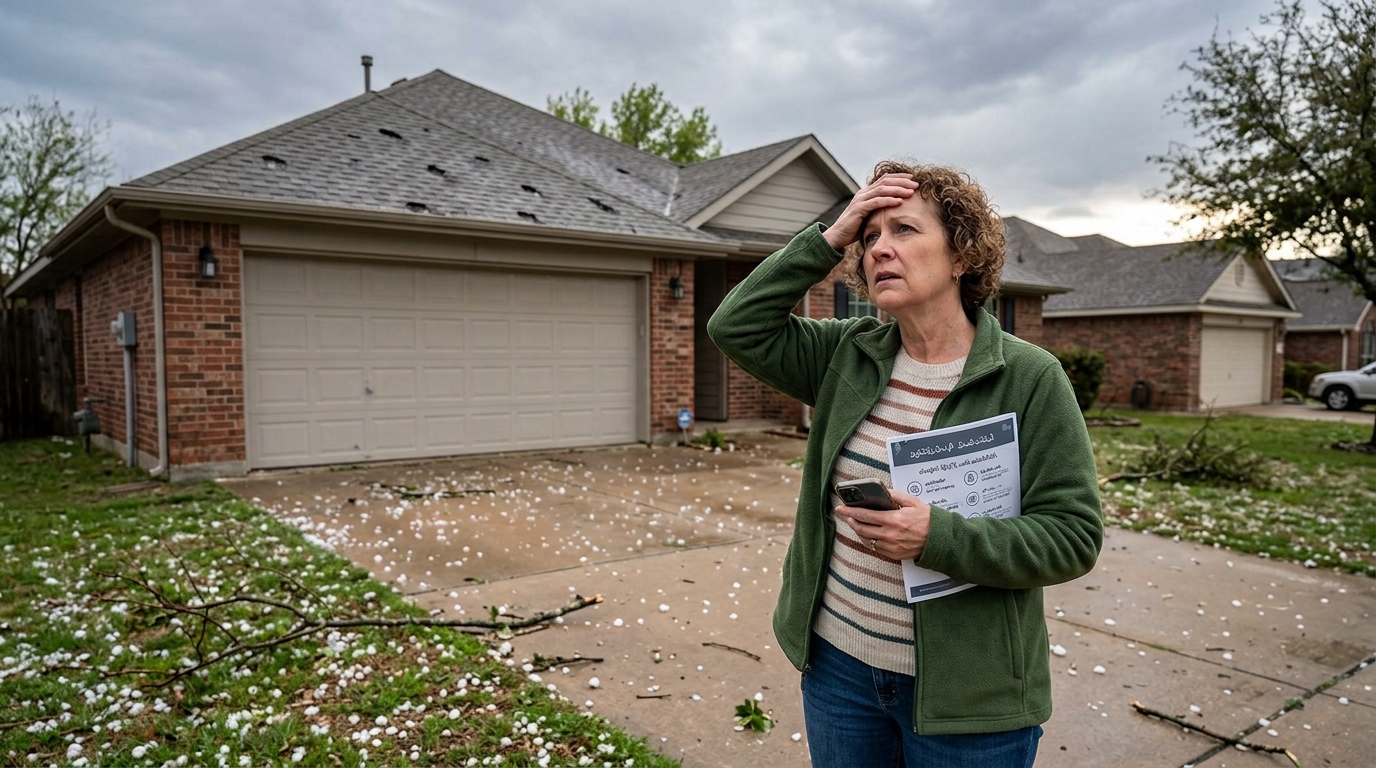
After a significant hailstorm moves through Northern Virginia, the neighborhood looks a certain way: dented mailboxes, bruised cars, broken branches. The roof is harder to read from the ground. Hail impact on shingles often looks like nothing more than a few dark spots, until you realize those spots represent granule loss that has exposed the underlying asphalt mat to UV radiation, moisture, and the next round of weather.
The steps you take in the 24 to 72 hours after a hailstorm directly affect both the physical condition of your home and the outcome of any insurance claim. Here is how to handle it.
Step One: Stay Safe and Do a Ground-Level Assessment
Before anything else, safety. Walking on a hail-damaged roof is dangerous; the surface may be compromised, debris may be wet and slick, and structural damage is possible in significant storms. A ground-level assessment gives you your first look at what the storm did without putting yourself at risk.
Check for the following from the yard and driveway: dented gutters, bent downspouts, dents on HVAC equipment, siding damage, and any debris that has landed on the roof surface.
Step Two: Document Everything Before Anything Is Touched
Documentation is one of the most direct levers you have over your hail damage roof insurance claim outcome. Build a clear, timestamped record of the damage before any repairs are made.
- Photograph the full roof from every accessible angle, plus close-ups of any visible impact marks, missing or cracked shingles, and damaged flashing.
- Photograph and video gutters, downspouts, siding, HVAC units, window trim, and outdoor furniture
- Back everything up to cloud storage immediately
- Note the date and time of the storm; confirm it against NOAA storm records if possible.
Video walkthrough footage captures context and scale that still photographs can miss. Use both.
Step Three: Make Emergency Repairs Only
If the storm has left the roof exposed, such as missing shingles, damaged flashing, or open sections, then temporary weatherproofing is appropriate and necessary. Apply tarping over exposed areas to prevent water intrusion.
Do not start permanent repairs before the insurance adjuster has inspected the roof. Completing repairs before the inspection can complicate your claim significantly. The adjuster needs to assess the damage in its post-storm condition to provide an accurate scope of repairs. Permanent fixes made before that visit can lead to disputes about the extent of the original damage.
Step Four: Call a Certified Roofing Contractor for a Professional Inspection
This step is critical. Signs of hail damage on shingles are not always obvious, even to trained eyes at ground level. What looks like minor impact bruising can represent significant granule loss and membrane compromise that only becomes apparent during a hands-on inspection. Experienced Alexandria roofing contractors know exactly where hail tends to hide the worst damage. A professional inspector will look for:
Shingle-Level Damage: Look for impact marks, dark spots from granule loss, cracked shingles, or lifted tabs.
Flashing and Penetration Damage: Check flashing around chimneys, skylights, vents, and pipes for dents or other damage that could allow water intrusion.
Gutter and Downspout Condition: Dented gutters and downspouts can indicate hail impact, while loose granules show shingle damage.
Attic and Interior Inspection: Water stains, damaged insulation, visible daylight, or moisture can indicate storm-related roof damage.
Step Five: File Your Insurance Claim Promptly
File as soon as your professional inspection is complete and you have documentation in hand. When you contact your insurer:
- Have your policy number and the storm date ready
- Provide the storm date, your documentation, and your contractor’s preliminary inspection report
- Ask specifically about your deductible type; some policies carry a separate wind and hail deductible expressed as a percentage of the insured home value, which can be significantly higher than a flat dollar deductible.
- It is important to understand the difference between Replacement Cost Value (RCV) and Actual Cash Value (ACV). ACV coverage deducts for depreciation and may leave a gap between the payout and the actual cost of repair.
Step Six: Meet the Adjuster
Most standard homeowners insurance policies cover sudden hail damage, but coverage and payout depend on the specific policy and the damage documented during the inspection. Having your roofing contractor present during the adjuster’s visit can provide an additional professional assessment and help document visible damage.
Insurance adjusters follow standardized damage metrics. A contractor familiar with insurance documentation knows how to present the evidence that supports a complete, accurate claim.
Frequently Asked Questions
What to do after hail damage to your roof?
Have your roof inspected promptly, document visible damage, and contact your insurance provider if you plan to file a claim. Temporary protection may help prevent further damage.
How to file a hail damage roof claim?
Document the damage with photos, review your policy, and notify your insurance company. A professional roof inspection can provide supporting documentation for the claim.
Does homeowner’s insurance cover hail damage to a roof?
Many homeowners insurance policies cover sudden hail damage, but coverage depends on the policy, exclusions, deductible, and condition of the roof.
How soon to repair a hail-damaged roof?
Schedule an inspection as soon as possible after a hailstorm. Prompt repairs can help prevent minor damage from developing into more serious roofing problems.
Conclusion
Hail damage does not always announce itself dramatically. A storm that leaves dents on every car in the driveway may have done more to your roof than you can see from the ground. Acting quickly, documenting thoroughly, and working with a contractor experienced in insurance restoration gives you the best chance of a full, fair claim outcome and a roof that is properly repaired before the next storm season arrives.
Connect with Impact Exteriors and ask about our Alexandria roof replacement and storm restoration services, because a hail claim handled right means your home is protected before the next storm, not patched together in its wake.