
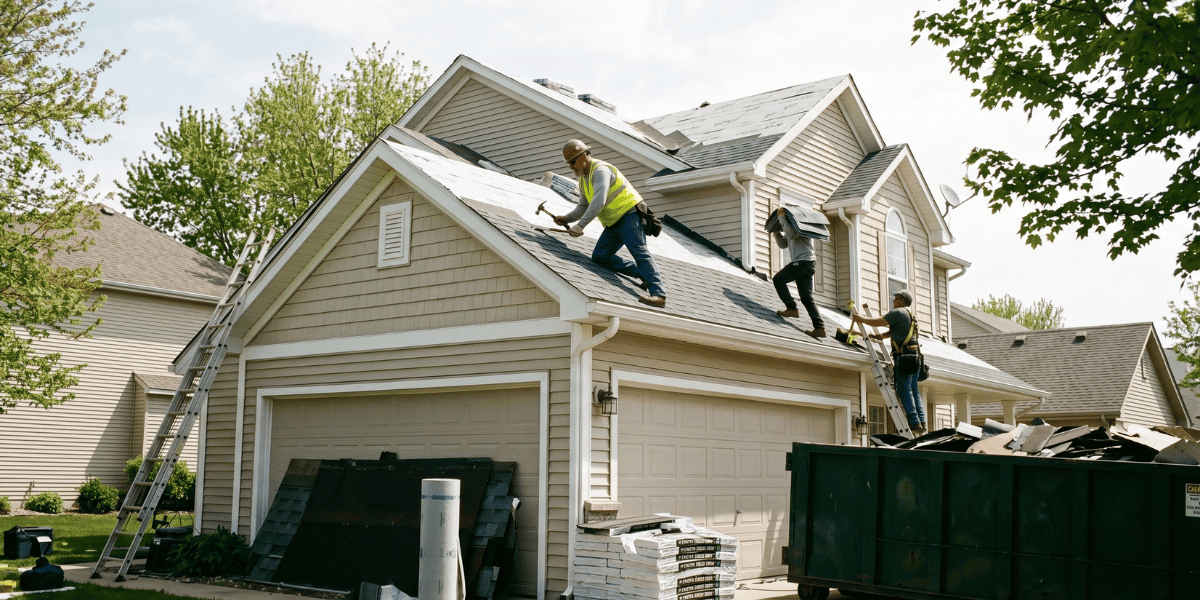
The thought of scaffolding, contractors, and noise taking over your home for an unknown stretch of time is enough to put anyone off. Disruption to your daily routine, vehicles blocked in the driveway, it’s no wonder so many homeowners put off a roof replacement for longer than they should.
But here’s the truth: it doesn’t have to be a drawn-out ordeal. In fact, with the right contractor and a bit of preparation, a roof replacement is often one of the faster major home improvements you can undertake. The problem isn’t the job itself; it’s going in without a clear picture of what to expect.
That’s exactly what this guide is here to fix. Understanding the timeline from start to finish puts you firmly in control. From the initial survey and material lead times through to the final inspection and cleanup, we’ll walk you through every stage and be upfront about the factors that can slow things down along the way.
How Long Does a Roof Replacement Take?

Most residential roofs are replaced in 1 to 3 days, mainly for standard asphalt shingles on average-sized, straightforward homes. Now, we know what you’re thinking, “Days? Not weeks?” Yes, really.
The work proceeds rapidly because experienced roofing crews are organized and have completed this hundreds of times. However, the 1- to 3-day window isn’t guaranteed; various factors can extend the project, so understanding them helps set realistic expectations.
The Key Factors That Determine Your Roof Replacement Timeline
Review these key factors that will help you in determining your roof replacement timeline. Make sure that you follow the factors properly.
What’s the Size of Your Roof?
When roofing professionals talk about roof size, they’re not using square feet as you might expect. Instead, they measure in “squares,” where one square equals 100 square feet of roof space. This measurement system makes it easier to estimate labor and materials consistently across projects.
A small roof (10 to 15 squares) can usually be finished in a day, while a medium-sized roof (15 to 25 squares) typically takes 1 to 2 days. If your roof exceeds 25 squares, expect 3 to 5 days or longer. Size affects roof installation time because larger surface areas take longer for workers to cover, even when working efficiently.
Roof Complexity Matters More Than You’d Think
A simple gable roof with straightforward lines allows crews to maintain a steady pace of work. But here’s what slows things down: valleys, dormers, skylights, chimneys, and steeply pitched rooflines all require additional attention, custom cutting, and precise installation work.
These architectural features aren’t just aesthetic; they create leak points needing careful flashing and waterproofing. Steeper pitches make work harder and riskier, requiring caution. Complex designs can add 1 to 3 days or more to your project.
The Material You Choose Significantly Impacts Duration
Roofing materials vary in installation speed. Asphalt shingles are the quickest, usually 1 to 2 days, being lightweight and easy to install. Metal roofing takes 2 to 5 days due to the need for precise measurements. Wood shakes or cedar roofing need 2 to 8 days, with individual placement. Slate or concrete tiles require 8 to 12 days or more, as each piece is installed separately.
The material choice you make directly affects how long your crew will work at your property, so it’s worth discussing this timeline with your contractor during the planning phase.
Weather Conditions Can Create Unexpected Delays
Here’s the reality about weather: Professional roofers won’t work in rain, snow, or high winds. It’s not stubbornness, it’s safety and quality. Water from rain can prevent proper adhesion of shingles, snow can create dangerous working conditions, and wind can make materials difficult to control and position correctly.
For Northern Virginia, Maryland, and DC residents, this means spring and fall can sometimes bring unwelcome surprises. One unexpected rainy day can push your project completion back by 24 hours. While this is frustrating, it’s absolutely necessary for ensuring your new roof performs properly and protects your home effectively.
The Roof Replacement Process Day by Day
This is an illustrative three-day sequence, not a promise that every phase takes a full day. Smaller asphalt-shingle projects may combine these stages into one day; complex roofs and weather can extend them.
Day One: Tear-Off and Deck Inspection
The crew begins by removing the existing roofing materials, including old shingles, underlayment, and any damaged flashing that needs replacement. Once the roof deck is exposed, the team checks for problems such as rot, moisture damage, or weakened areas that need repair before the new roof goes on.
For many asphalt shingle replacements, tear-off and inspection can be completed on the first day. Homes with multiple roofing layers, larger square footage, or unexpected repairs may require additional time.
Day Two: Installing the New Roofing System
Once the roof deck is ready, the crew starts installing the new roofing system. They add the underlayment and waterproofing materials where needed, and install flashing around important areas like vents, chimneys, and roof edges. After that, the new shingles or roofing panels are installed across the roof.
The time this step takes depends on the roof’s size and design, as well as the material used. A simple asphalt shingle roof can often be completed quickly, while larger roofs with steep slopes, multiple sections, or specialty materials usually take longer.
Day Three: Final Touches and Cleanup
The final stage focuses on completing details such as ridge caps, ventilation components, and any remaining flashing work. The crew also performs a thorough cleanup by removing debris, hauling away old materials, and using magnetic sweepers to collect loose nails.
Before finishing, many contractors complete a final walkthrough with the homeowner to review the completed roof. Smaller projects may reach this stage sooner, while larger or more complex replacements may need extra days for final details.
The Residential Roof Replacement Process: Preparation Phase Matters
Preparing for Roofing Work
- Before the crew arrives, several steps must be taken.
- Your contractor will inspect and provide a written estimate.
- The inspection takes 1 to 2 days, plus additional days to prepare the estimate.
Selecting Roofing Materials
- You need to choose your roofing materials during this phase.
- This decision affects your project timeline.
- Making the choice beforehand prevents delays once work begins.
- Material orders should be placed early to ensure timely delivery.
Communicating the Timeline
- Discuss the project timeline clearly with your contractor before work starts.
- Clear communication helps you avoid confusion and plan your schedule.
- Reputable contractors provide realistic timelines and explain potential factors that could cause delays.
Understanding What Affects Roof Installation Time
Various factors, such as roof size, weather, materials, and complexity, affect the duration of a roofing project. Knowing these helps homeowners plan and prevent delays.
Accessibility and Safety Considerations
How your roofing crew accesses your roof matters a lot. Clear access, enough workspace, and easy routes enable faster work. Homes with obstacles like large trees, tight yards, or restricted access require more planning and take longer to work on. Safety is key, so crews go at a safe pace.
Seasonality and Scheduling
Many homeowners schedule roof replacements in summer, making contractors busier and slowing projects as they manage multiple jobs. Spring or fall scheduling can mean faster service as contractors are more available. Mild temperatures also favor roofing work.
Local Building Permits and Inspections
Some areas need building permits for roof replacement, and an inspection may be required afterward. These requirements don’t directly extend your installation timeline but affect the overall project schedule. Your contractor should manage this process and inform you of any delays.
Real Expectations for Your Specific Situation
Here’s something important: don’t be wary of contractors who promise a “one-day roof replacement.” Some straightforward asphalt-shingle roofs can be completed in one day with a suitable crew and weather. Most legitimate contractors provide honest timelines that account for proper workmanship. Quality roofing work can’t be rushed without compromising durability.
When you get estimates from multiple contractors, compare their timelines and pricing. If one contractor quotes 1 day and another quotes 3 to 4 days for identical work, ask why. Ask each contractor how crew size, roof details, deck repairs, and weather allowances affect the schedule; duration alone does not measure quality.
Common Concerns About Roof Replacement Duration
Many homeowners worry about disruptions, noise, debris, vibrations, and the general craziness of having workers on the roof. These concerns are valid. The noise from the tear-off is real. Your home might shake a bit. Dust accumulates. But it’s remarkably temporary. Most of this happens during normal business hours, usually between 7 AM and 4 PM, so you’re not dealing with early-morning starts or late-evening noise.
The debris situation is manageable, too. Professional crews lay tarps to catch much of the material, and cleanup happens daily. By the time you come home from work each evening, your property looks reasonably neat despite all the activity.
If you need professional help, Impact Exteriors provides professional roof replacement services with extensive local experience in serving Northern Virginia, Maryland, and DC. Get in touch with us today!
FAQs
1. How long does a typical residential roof replacement take?
Most residential roof replacements take between 1 and 3 days for the actual installation work. However, the complete process, including inspections, permits, material delivery, and weather delays, may extend the overall timeline to 2 to 4 weeks.
2. What factors can delay a roof replacement project?
Several factors can affect the timeline, including weather conditions, roof size, roof complexity, material type, permit approvals, and unexpected structural repairs discovered during the tear-off process.
3. Does the type of roofing material affect installation time?
Yes, roofing materials significantly impact installation time. Asphalt shingles are typically the fastest to install, while metal roofing, wood shakes, slate, and tile roofs usually require more time because of their specialized installation methods.
4. Can a roof replacement be completed during rainy weather?
Professional roofing contractors generally avoid working during rain, snow, or strong winds because wet conditions can compromise safety and affect the quality of the installation. Weather delays help ensure your roof is installed correctly and lasts longer.
5. How should homeowners prepare for a roof replacement project?
Homeowners should clear driveways, move vehicles away from the work area, secure outdoor furniture, and inform neighbors about potential noise. Inside the home, it’s also helpful to protect fragile items and expect some vibration and noise during the project.
Final Thoughts
Most residential roof replacements take 1 to 3 days, while the full roof replacement timeline, from planning and permits to final completion, often extends to 2 to 4 weeks due to weather and scheduling factors. The active disruption at your home typically lasts only 1 to 3 days. To avoid surprises, discuss the roof replacement timeline with your contractor, ask about possible delays, and focus on realistic, honest estimates.
Your roof is your home’s first line of defense, and it deserves expert care. At Impact Exteriors, we specialize in everything from storm damage repairs to full replacements, bringing quality workmanship and dependable scheduling to every project. Contact us today for a customized consultation from a reliable roofing contractor and discover how a properly installed roof can protect your home, boost its value, and deliver lasting peace of mind!
Planning the work? Use our home preparation guide and ask about residential roof replacement services.